
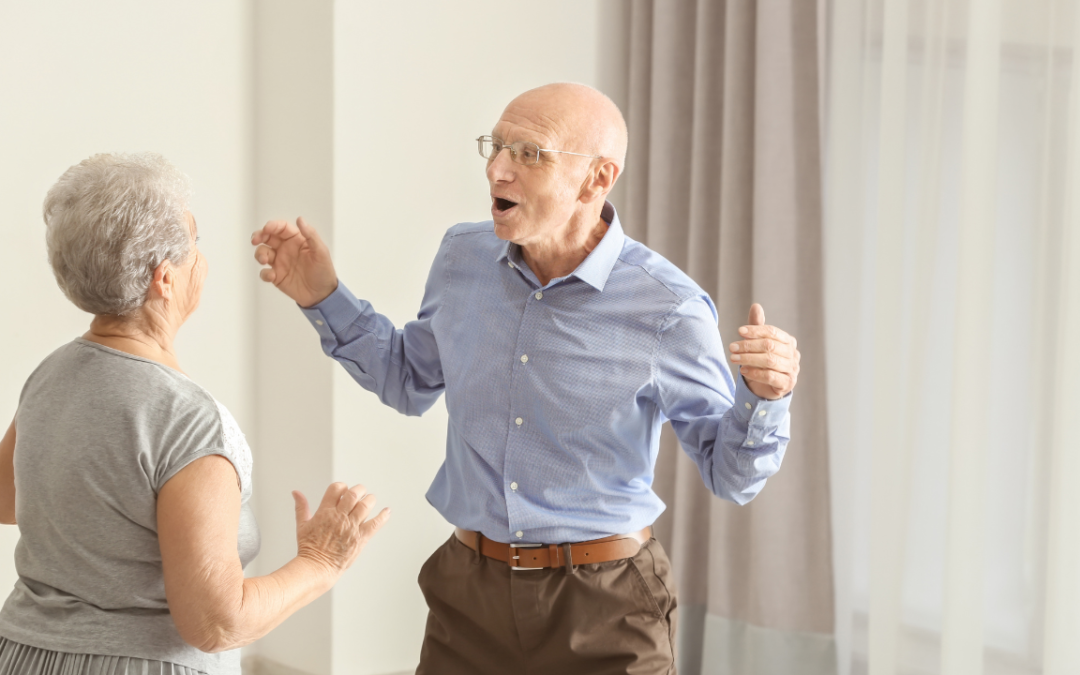
When you dance, your brain isn’t doing just one thing. It’s multitasking at full speed. You are listening to music and rhythm, coordinating movement and balance, remembering steps or patterns, adjusting to space and timing, and expressing emotion and creativity. This combination activates multiple brain regions at once, including those responsible for memory, attention, motor control, and emotion. Few activities demand this level of full-brain engagement.
Puzzles are great, but they often isolate one type of thinking. Dancing brings everything together.
Movement and Music Create Cognitive Power
Music alone has been shown to improve mood, memory, and focus. Movement alone increases blood flow to the brain and supports brain cell health. When you combine the two, the effects multiply.
Dancing increases heart rate, which boosts oxygen and nutrient delivery to the brain. At the same time, music stimulates emotional and memory centers, helping the brain form stronger neural connections. This pairing may help slow cognitive decline and improve mental flexibility as we age.
It Challenges Balance and Coordination
Balance and coordination are closely tied to brain health. As we get older, these skills naturally decline, but dancing actively trains them.
Every spin, step, or shift of weight forces your brain to communicate rapidly with your body. This constant feedback loop strengthens neural pathways and improves reaction time. Research suggests activities that challenge balance may be especially effective in protecting against age-related cognitive decline.
Dancing Boosts Memory and Learning
Remembering dance steps, sequences, or rhythms is a powerful form of mental training. Even improvisational dancing requires your brain to make quick decisions and adapt in real time.
Learning new dances, especially unfamiliar styles, pushes your brain out of autopilot. This kind of novelty supports neuroplasticity, the brain’s ability to form new connections and stay adaptable over time.
It Reduces Stress and Lifts Mood
Chronic stress is one of the biggest threats to brain health, and dancing helps counter it naturally.
Movement releases endorphins, the body’s feel-good chemicals, while music helps lower stress hormones. Dancing also encourages emotional expression, which can ease anxiety and depression, both of which are linked to cognitive decline when left unmanaged.
Even a few minutes of dancing can reset your mood and sharpen your focus.
Social Dancing Adds an Extra Boost
Dancing with others adds another layer of brain benefit. Social interaction strengthens cognitive resilience and emotional health. Partner dancing, group classes, or even dancing at a party requires communication, awareness, and empathy, all valuable mental skills.
Laughter, connection, and shared rhythm do more than feel good. They actively support long-term brain health.
You Don’t Have to Be Good at It
The best part is that you don’t need talent, training, or perfect timing. The brain benefits come from participation, not performance.
Dance in your living room. Dance while cooking. Dance to one song a day. Freestyle counts. So does Zumba, salsa, hip hop, or slow dancing in socks. If you’re moving, listening, and enjoying yourself, your brain is benefiting.
The Takeaway
Puzzles and music are helpful, but dancing may be one of the most powerful and enjoyable ways to protect your brain. It combines movement, rhythm, memory, emotion, balance, and social connection into one joyful activity.
So next time you think about brain health, skip the worksheet and turn on a song instead. Your mind just might thank you one step at a time.