
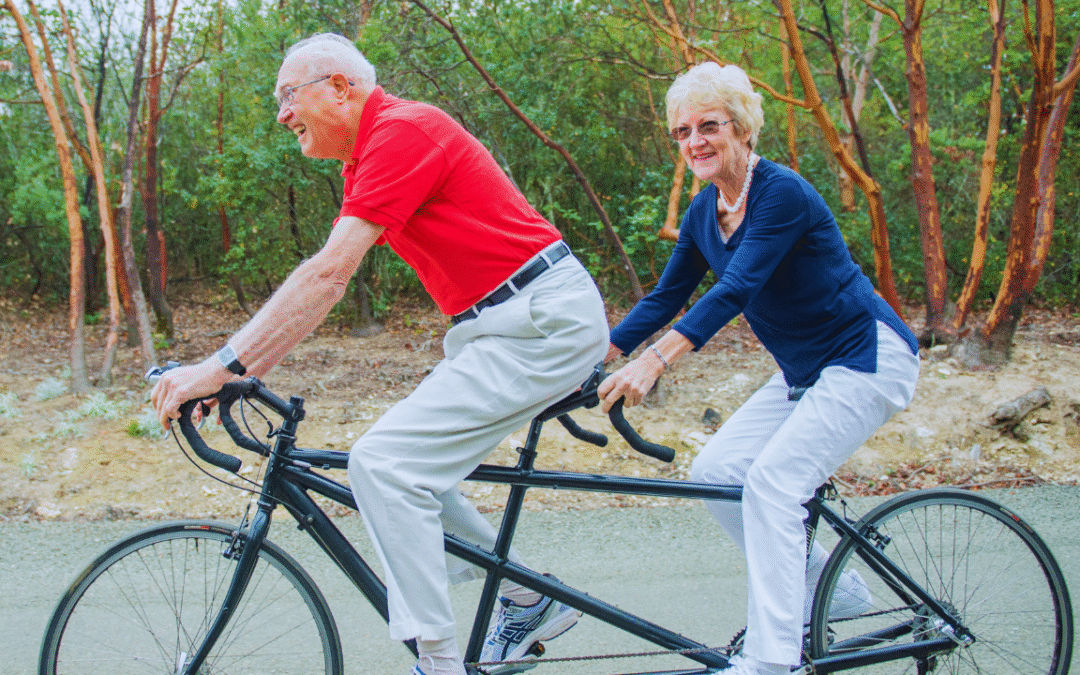
There’s a simple habit that’s good for your wallet, the planet, and according to new research, your brain. 🚲 A recent study found that people who choose to bike instead of drive, take the bus, or ride the train have a 19% lower risk of dementia and a 22% lower risk of Alzheimer’s disease. Those are the kind of numbers that make you want to swap the car keys for a helmet.
Why cycling helps your brain
Physical activity doesn’t only burn calories; it also supports brain health. Regular exercise like cycling improves blood flow to the brain, supports the growth and survival of neurons, and strengthens connections in areas involved with memory and executive function. Over time those benefits stack up: better circulation and metabolic health, improved mood, and resistance to the kinds of cognitive decline that lead to dementia. With projections showing dementia cases could triple by 2050, small lifestyle choices like choosing the bike can add up to meaningful risk reduction.
More than just exercise: extra perks of biking
Low-impact, high-return: Cycling is gentler on joints than running yet still delivers cardiovascular benefits.
Mental health boost: A ride outdoors reduces stress, releases endorphins, and clears your head, great for mood and cognitive resilience.
Daily consistency: Commuting by bike makes activity habitual, you get exercise without carving extra time from your day.
Eco-friendly and economical: Less driving means lower emissions and big savings on fuel, parking, and car maintenance.
Community and exploration: You’ll discover new routes, parks, and neighborhoods you’d miss behind a windshield.
How to start (no Lycra required)
If the idea of biking everywhere feels daunting, start small and scale up. Here’s a friendly plan:
-
Try a test ride. Pick a short, low-traffic route such as home to coffee shop or a nearby market and ride it once on a weekend.
-
Set one commute goal. Replace one trip per week with a bike ride. Aim for consistency rather than distance.
-
Choose the right bike. For city rides, a hybrid or commuter bike is comfortable and easy to maintain. Electric-assist bikes are a great option if you have hills or longer distances.
-
Pack smart. Use a backpack or panniers to carry essentials such as water, a light jacket, phone, and mini-tool kit.
-
Layer your progress. Once one trip becomes easy, swap another. In a few weeks you’ll be surprised at how natural it feels.
Safety tips that matter
Feeling safe on the road makes all the difference. Follow these essentials:
-
Wear a helmet and adjust it properly.
-
Be visible: use lights and reflective clothing, especially dawn, dusk, or night.
-
Follow traffic rules: bikes share the road. Signal turns, ride predictably, and respect lights.
-
Pick safer routes: use bike lanes, low-traffic streets, or dedicated trails whenever possible.
-
Keep your bike road-ready: check tire pressure, brakes, and chain regularly.
For parents and older adults
Cycling is scalable for all ages. Younger riders can get into habit-forming physical activity early, and older adults can maintain mobility, social interaction, and cognitive stimulation by staying active. For older beginners, consider slower e-bikes, group rides, or instructor-led classes that focus on balance and confidence.
Turn it into a lifestyle
Make it social. Join a local cycling group or invite a friend for a weekly ride.
Mix it up. Combine biking with errands such as groceries, lunch, or school drop-offs.
Reward consistency. Track rides with an app or journal and celebrate milestones.
Plan for weather. Have rain gear and an alternate plan with public transit that allows bikes so bad weather doesn’t break the habit.