
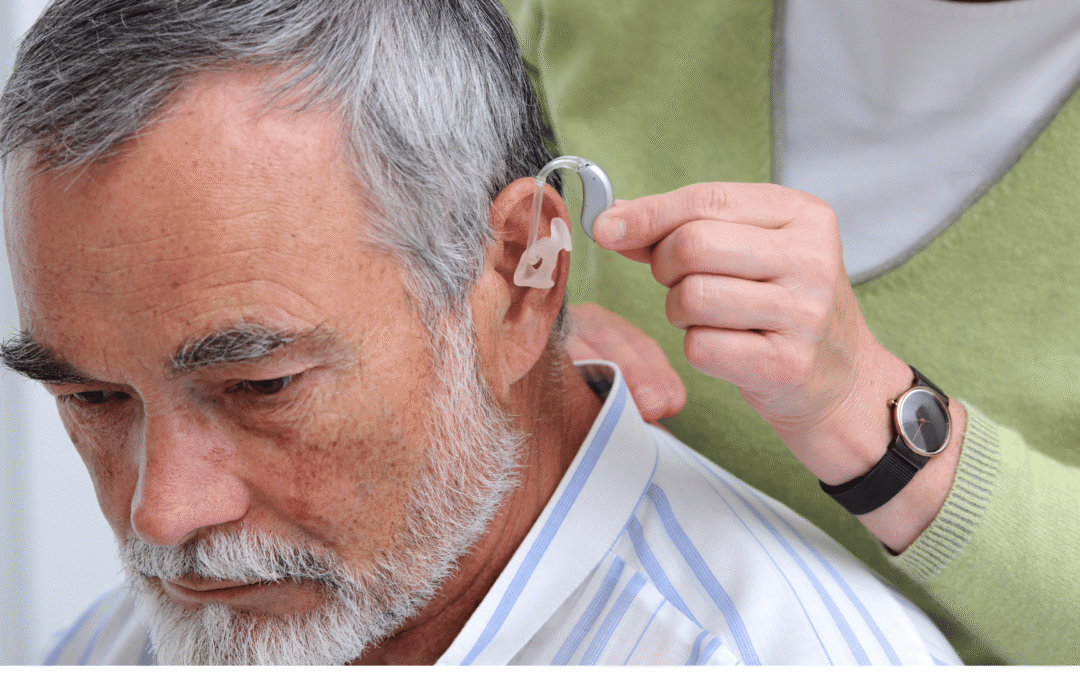
When we think of hearing aids, the first benefit that comes to mind is improved communication. But exciting new research suggests they may also play a powerful role in protecting brain health.
The Link Between Hearing Loss and Dementia
Hearing loss isn’t just about missing conversations. Studies have shown that untreated hearing loss is a major risk factor for dementia. The brain works harder to process sound, which can strain cognitive resources and accelerate decline over time. Social isolation, which often follows hearing difficulties, also adds to dementia risk.
New Research on Hearing Aids
Researchers recently found that individuals aged 70 and younger with hearing loss who used hearing aids had a 61% lower risk of developing dementia compared to those who did not use them. This highlights that early intervention matters—not only for communication but also for long-term cognitive health.
Why Early Use Is Key
The earlier hearing loss is addressed, the better the outcomes. By using hearing aids early:
- The brain continues to receive the stimulation it needs.
- Communication and social interaction improve, reducing isolation.
- Cognitive decline risk is significantly lowered.
Hearing aids aren’t just about improving hearing—they’re about preserving memory and independence. If you or a loved one is experiencing hearing loss, addressing it today may help protect brain health for years to come.