As we get older, protecting brain health becomes just as important as caring for our heart, bones, and overall physical well-being. While many factors contribute to healthy aging, researchers continue to explore the connection between nutrition and cognitive function.
One nutrient receiving increased attention is vitamin D.
Often called the “sunshine vitamin,” vitamin D plays an important role in bone health, immune function, muscles, and other processes throughout the body. Emerging research has also investigated whether vitamin D levels may be connected to memory and cognitive health, particularly among older adults.

Our bodies can produce vitamin D when our skin is exposed to sunlight. However, older adults may produce less vitamin D through sun exposure, and factors such as limited outdoor activity, diet, and certain health conditions can also affect vitamin D levels.
Vitamin D is best known for helping the body absorb calcium and supporting strong bones. But researchers have found vitamin D receptors throughout the body, including in the brain.
This has led scientists to investigate whether maintaining adequate vitamin D levels may also support healthy brain function.
Vitamin D and Cognitive Health
Some studies have found an association between low vitamin D levels and cognitive decline in older adults. Researchers are exploring whether vitamin D may play a role in processes related to memory, learning, mood, and overall brain function.
However, it is important to understand that research is still developing. An association between low vitamin D and cognitive problems does not necessarily mean that vitamin D supplements can prevent or treat dementia.
Some research has explored whether higher-dose vitamin D could improve cognitive function in people considered at risk for dementia, but more research is needed before high-dose vitamin D can be recommended as a treatment for cognitive decline.
What This Means for Older Adults
Rather than assuming that more vitamin D is always better, the goal should be maintaining an appropriate vitamin D level.
A healthcare professional can determine whether someone may be at risk of vitamin D deficiency and, when appropriate, recommend dietary changes, testing, or supplementation.
Where Can Vitamin D Come From?
Vitamin D can come from several sources, including:
- Sunlight: The body can produce vitamin D through exposure to sunlight.
- Food: Fatty fish, egg yolks, and vitamin-D-fortified foods can provide vitamin D.
- Supplements: Vitamin D supplements may be recommended for some individuals based on their needs and medical history.
For older adults, supplementation should be discussed with a healthcare provider, particularly when considering higher doses.
Supporting Brain Health Beyond Vitamin D
Vitamin D is only one piece of the puzzle when it comes to healthy aging.
Older adults can support overall cognitive wellness through a combination of healthy habits, including:
Staying physically active
Walking, stretching, balance exercises, and other appropriate physical activities can help support overall health.
Eating a balanced diet
A variety of vegetables, fruits, whole grains, lean proteins, and healthy fats can provide important nutrients.
Staying socially connected
Meaningful conversations, friendships, family activities, and community involvement can help support emotional and mental well-being.
Keeping the brain engaged
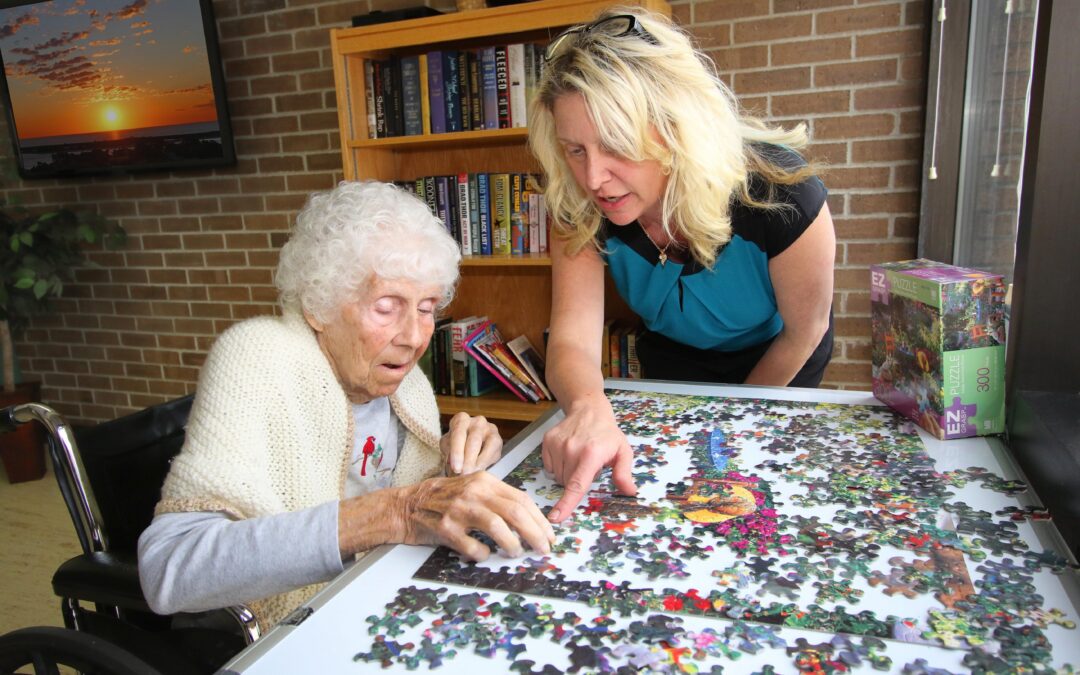
Reading, music, games, crafts, puzzles, and learning new skills provide opportunities for mental stimulation.
Getting quality sleep
Consistent, restorative sleep is an important part of overall brain and physical health.
A Simple Step Toward Healthy Aging
The relationship between vitamin D and brain health is an exciting area of ongoing research. While vitamin D is essential for the body, high-dose supplementation should not be started without guidance from a healthcare professional.
For older adults and their families, the bigger picture is important: good nutrition, regular activity, social connection, mental stimulation, and appropriate medical care all work together to support quality of life as we age.
At Alpine View Lodge, we believe healthy aging is about more than meeting physical needs. It is about creating opportunities for residents to stay engaged, connected, active, and supported every day.
Talk with your healthcare provider about whether vitamin D testing or supplementation may be appropriate for you or your loved one.