
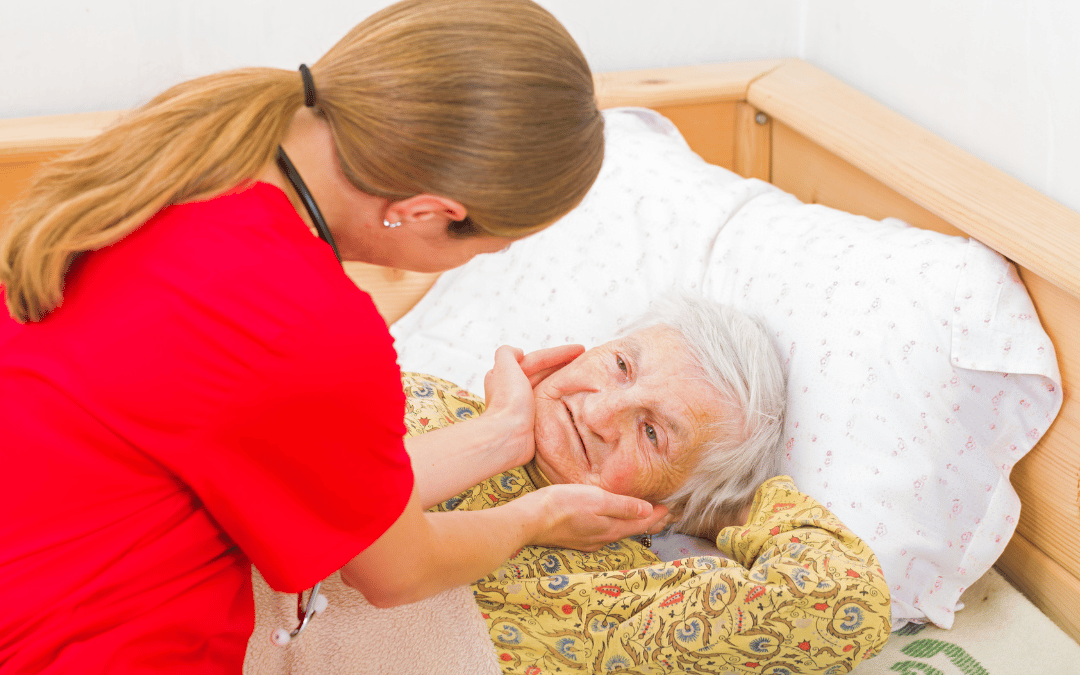
Making the decision to move a loved one into a care home is never easy. For many families, it comes with mixed emotions such as concern, guilt, uncertainty, and hope. It is important to remember that choosing professional care is not about giving up. It is about ensuring your loved one receives the support, safety, and quality of life they deserve.
There are times when caring for someone at home becomes increasingly difficult, especially when their needs grow beyond what family members can safely manage. Recognizing the signs early can help families make thoughtful and compassionate decisions.
Safety Is Becoming a Daily Concern
One of the clearest signs that additional care may be needed is when safety becomes a constant worry. Many older adults begin to experience mobility issues, memory loss, or confusion that can put them at risk.
Frequent falls, wandering outside the home, forgetting to turn off appliances like the stove, or struggling to manage medications can quickly create dangerous situations. Even with the best intentions, it can become difficult for families to monitor every moment of the day.
A care home provides a safe and structured environment where trained caregivers are available to assist residents, prevent accidents, and respond quickly if help is needed.
Caregiver Burnout Is Taking a Toll
Family caregivers often take on enormous responsibility out of love and dedication. However, caregiving can become physically and emotionally exhausting, especially when it requires constant attention.
If you are feeling overwhelmed, sleep deprived, stressed, or emotionally drained, it may be a sign that you need additional support. Caregiver burnout is very real and can affect your health, relationships, and overall wellbeing.
Seeking professional care does not mean you are failing your loved one. In fact, it can help restore balance so you can focus on being a supportive family member rather than carrying the entire burden of care alone.
Your Loved One Needs 24 Hour Supervision
As certain conditions progress, especially dementia or other cognitive illnesses, a person may require around the clock supervision and specialized care. Behavioral changes, confusion, medical needs, and increased assistance with daily activities can become difficult to manage at home.
Care homes are equipped with trained professionals who understand these challenges and can provide consistent support throughout the day and night. This level of care helps ensure residents receive the attention, structure, and compassion they need to live with dignity.
Choosing Care Is Choosing Compassion
Deciding to transition a loved one into a care home can be one of the most difficult choices a family makes. However, it is also one of the most compassionate decisions when safety, health, and quality of life are at stake.
Professional care environments provide not only medical support, but also opportunities for social interaction, activities, and a sense of community that can greatly improve wellbeing.
Every family’s journey is unique, but remembering that the goal is always the wellbeing of your loved one can help guide the decision with clarity and compassion.
At the end of the day, choosing a care home is not about giving up. It is about choosing safety, dignity, and the right level of care for the person you love.