
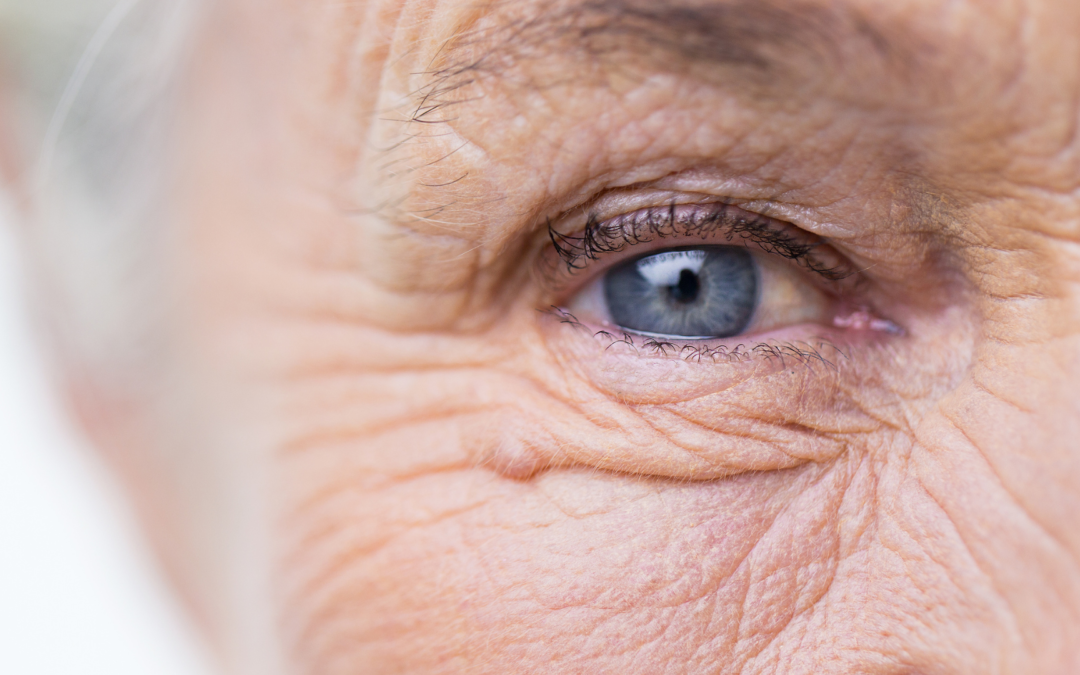
When we think about signs of dementia, we often imagine memory lapses, confusion, or changes in behavior. But new research suggests that the earliest clues might not come from the brain alone—they may already be visible in your eyes, up to 12 years before a formal diagnosis.
The Eye–Brain Connection
Your eyes are often called “the windows to the soul,” but medically speaking, they’re also windows to your brain.
The retina—the layer at the back of your eye—is actually part of the central nervous system. This means that changes in your eye health can reflect what’s happening in your brain long before cognitive symptoms show up.
Recent studies show that:
-
Declining eyesight is linked to an increased risk of later cognitive decline.
-
Even mild, gradual vision loss can put extra strain on the brain.
-
Reduced visual stimulation may limit brain activity, potentially accelerating decline.
Why Vision Loss Matters
As sight becomes more limited, people often change how they live. For example:
-
They may drive less.
-
Go out less often.
-
Reduce participation in hobbies or social activities.
These lifestyle shifts can unintentionally weaken memory, attention, and problem-solving skills—simply because the brain isn’t being stimulated the way it used to be.
Stay Socially and Mentally Engaged
Scientists emphasize one powerful point: social interaction is protective. Staying connected keeps the brain active and resilient.
You can strengthen your cognitive health by:
-
Maintaining regular social activities
-
Doing mentally stimulating hobbies (reading, puzzles, music, learning new skills)
-
Staying physically active
-
Protecting your vision through routine eye exams
Eye Check-Ups Aren’t Just About Vision
Regular eye exams don’t just help with prescriptions—they can detect early changes in:
-
Retinal health
-
Blood vessels
-
Nerve fibers
These can offer early clues to neurological conditions, giving people more time to plan, adjust, and receive supportive care.
Early Awareness Can Make a Big Difference
While vision changes don’t always mean dementia, they are an important piece of the puzzle. Spotting issues early allows for:
-
Lifestyle adjustments
-
Medical screening
-
Brain-healthy habits
-
Greater independence for longer
Taking care of your eyes is also taking care of your brain.