
Blog
Looking to learn more about a particular blog or articles?
It’s best to search by keyword. So, if you’re looking to learn more about “Memory Care,” you can start by exploring our blog and resources that focus on the specific aspects of memory care services, best practices, and supportive environments for individuals with dementia. This approach will help you find targeted information, including articles, guides, and testimonials that highlight the importance of compassionate care and innovative programs available in various facilities. Additionally, consider checking out community forums or websites dedicated to caregivers and families for shared experiences and insights.

5 Brain-Healthy Habits That May Help Reduce Dementia Risk
Dementia affects more than 57 million people worldwide, and that number continues to grow as populations age. While there is still much to learn, research shows that certain lifestyle habits may help support brain health and potentially reduce risk. Adopting simple,...

Talking When Caring for Someone with Dementia
Caring for someone with dementia requires patience, compassion, and emotional strength. Family caregivers often experience stress, exhaustion, and loneliness while managing daily responsibilities and watching changes in a loved one’s memory and behavior. Open...

When It’s Time to Consider a Care Home
Making the decision to move a loved one into a care home is never easy. For many families, it comes with mixed emotions such as concern, guilt, uncertainty, and hope. It is important to remember that choosing professional care is not about giving up. It is about...

The Importance of Mental Engagement
Mental stimulation strengthens neural connections in the brain. Activities that challenge thinking, focus, and problem solving can contribute to maintaining cognitive function and mental agility. Examples of brain supporting activities include: Reading and...

Understanding Lewy Body Dementia
Lewy Body Dementia is a progressive neurological condition caused by abnormal protein deposits called Lewy bodies that develop in the brain. These deposits disrupt the brain’s normal functioning and affect areas responsible for thinking, movement, behavior, and sleep....

Body Weight and Vascular Dementia
Recent research has strengthened the link between higher body weight and vascular dementia, a type of dementia caused by reduced blood flow to the brain. Unlike Alzheimer’s disease, vascular dementia often affects executive functions first, including planning,...

Hidden Alzheimer’s Risk After Meals
When families think about Alzheimer’s disease, they often focus on memory changes, safety, or long term care planning. However, growing research shows that daily health habits especially how the body manages blood sugar after meals may play an important role in brain...

Changes in Perception
Changes in perception—such as confusion, misinterpretation, or seeing things differently—can be deeply distressing for individuals living with dementia, as well as for the people who love and care for them. These moments can feel overwhelming, but with understanding,...

Dancing Uses Your Whole Brain
When you dance, your brain isn’t doing just one thing. It’s multitasking at full speed. You are listening to music and rhythm, coordinating movement and balance, remembering steps or patterns, adjusting to space and timing, and expressing emotion and creativity. This...

The Role of Onions in Dementia
During the holidays, comfort foods help bring families together and create meaningful moments of connection. The familiar smells and shared meals often spark memories and a sense of warmth that go beyond the table. The Role of Food in Holiday Connection Food has a...

Smart Devices Can Support Daily Life for Someone Living With Dementia
Living with dementia can bring daily challenges, but today’s technology offers helpful tools that may support safety, comfort, and independence. Smart devices such as phones, tablets, and voice-activated assistants can play a meaningful role in supporting routines and...

Eating Cheese Once a Week Support Brain Health?
Dementia is a growing global concern, affecting millions of families worldwide. While there is currently no cure for dementia, researchers continue to explore lifestyle factors that may help lower risk and support long-term brain health. One recent study has sparked...

Your Eyes Can Reveal About Dementia
When we think about signs of dementia, we often imagine memory lapses, confusion, or changes in behavior. But new research suggests that the earliest clues might not come from the brain alone—they may already be visible in your eyes, up to 12 years before a formal...

Listening to Music May Reduce Dementia Risk
Did you know that something as simple as listening to music could play a powerful role in brain health? A recent study involving more than 10,000 adults aged 70 and older revealed that seniors who regularly listened to music or played an instrument had nearly a 40%...

Mediterranean Diet Protects Your Brain
Did you know that what you eat today can influence how clearly you think years from now? Your daily food choices do more than support your body, they can also help protect your brain. Research shows that the Mediterranean diet may lower the risk of dementia by...
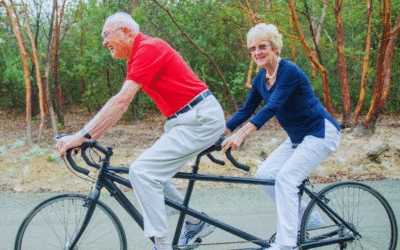
Pedal Your Way to a Healthier Brain!
There’s a simple habit that’s good for your wallet, the planet, and according to new research, your brain. 🚲 A recent study found that people who choose to bike instead of drive, take the bus, or ride the train have a 19% lower risk of dementia and a 22% lower risk of...
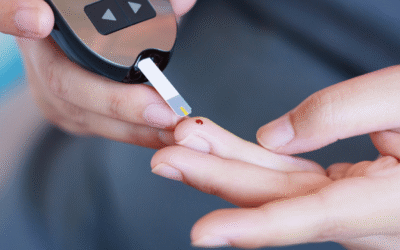
Diabetes and Dementia
When we think about diabetes, we usually focus on blood sugar, heart disease, kidneys, or circulation issues. But growing research reveals another critical area affected by diabetes: the brain. In fact, diabetes doesn’t just impact physical health—it can also increase...
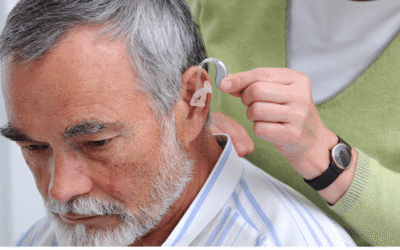
Study Finds Hearing Aids Linked to Reduced Dementia Risk
When we think of hearing aids, the first benefit that comes to mind is improved communication. But exciting new research suggests they may also play a powerful role in protecting brain health. The Link Between Hearing Loss and Dementia Hearing loss isn’t just about...